Stack & Fit
games that run in the browser with no account and no install.
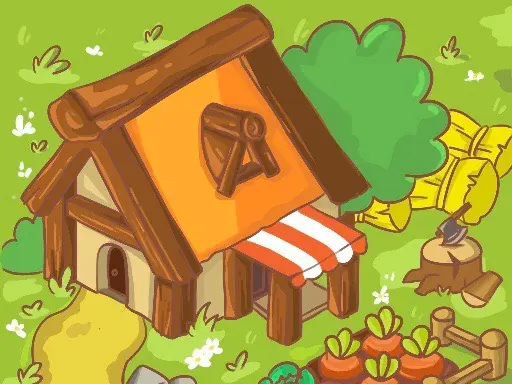 Fun Farm: WonderlandStack & Fit02
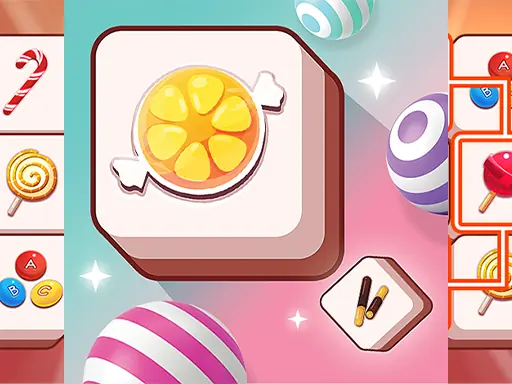 Tiles MatchingStack & Fit03
 Rooster RanchStack & Fit04
 ParkingStack & Fit05
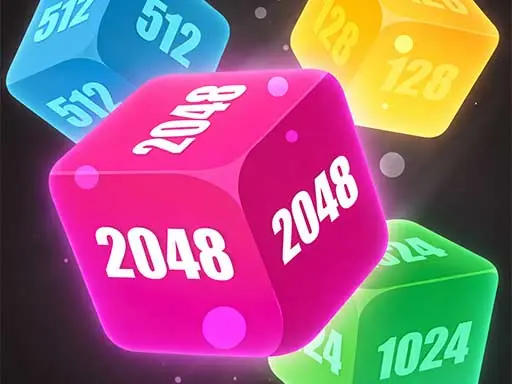 Cube Merge GameStack & Fit06
 Shapes Using DotsStack & Fit07
 Cat Block PuzzleStack & Fit08
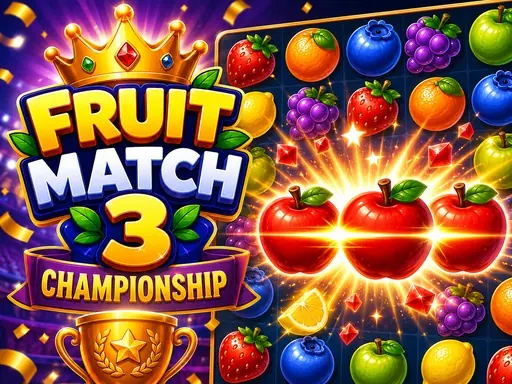 Fruit Match 3 ChampionshipStack & Fit09
 Fruit Goals MatchStack & Fit10
 Maze Evolution HTMLStack & Fit11
 Suika Game 2Stack & Fit12
 Jigsaw: Pusha PushaStack & Fit13
 Fruity Craft MergeStack & Fit14
 Save The Stick Draw LineStack & Fit15
 City ConstructorStack & Fit16
 Speed MathStack & Fit17
 Push To GoStack & Fit18
 Finish the DrawingStack & Fit19
 Jelly ConnectStack & Fit20
 Plumber and PipesStack & Fit21
 Blockibo: Color BlocksStack & Fit22
 Modern SudokuStack & Fit23
 Screw JamStack & Fit24
 Find the SetStack & Fit25
 MathMates 3D: Brain QuestStack & Fit26
 Paper BallStack & Fit27
 Chill Math SubtractionStack & Fit28
 Glass Ball PuzzleStack & Fit29
 Unbolck meStack & Fit30
 Kitty Merge TycoonStack & Fit31
 Screw Nuts Snap PuzzleStack & Fit32
 Help sprunkyStack & Fit33
 Scientist and RobotStack & Fit34
 TickTock ChallengeStack & Fit35
 2048 PremiumStack & Fit36
 Christmas Gift MatchStack & Fit37
 Arrow Away PuzzleStack & Fit38
 Jingled PiecesStack & Fit39
 Merge Rainbow FightingStack & Fit40
 Line Connect the DotsStack & Fit41
 Super PokerStack & Fit42
 Fruit Merge: Juicy Drop GameStack & Fit43
 Spatial puzzleStack & Fit44
 Wordle 2.0Stack & Fit45
 Money 2048Stack & Fit46
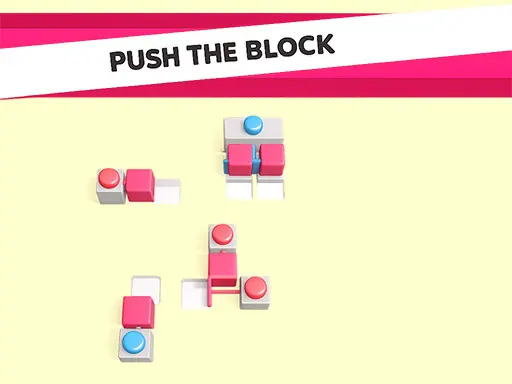 Block Push GameStack & Fit47
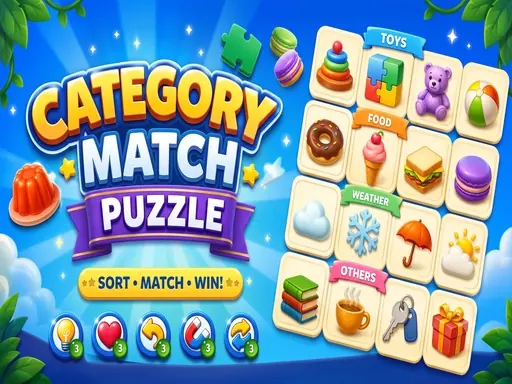 Category Match PuzzleStack & Fit48
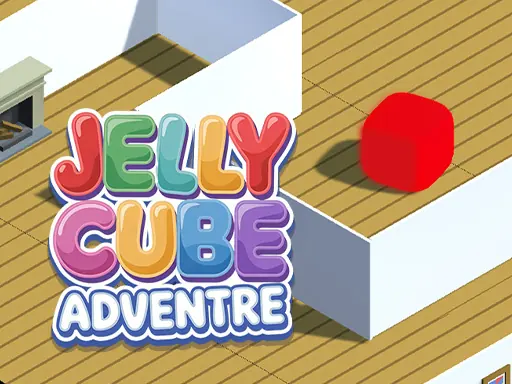 Jelly Cube AdventureStack & Fit49
 Moe Kittens Cat Avatar MakerStack & Fit50
 FruitSwipeStack & Fit51
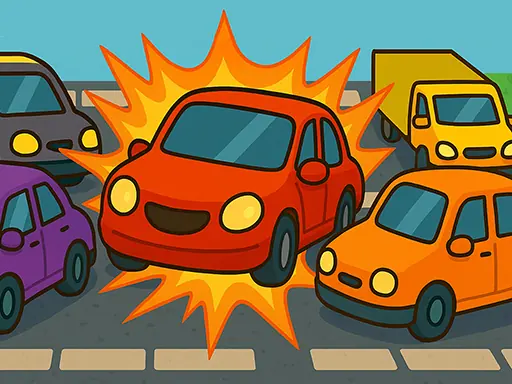 Jam EscapeStack & Fit52
 Emoji Merge Fun MojiStack & Fit
Stack & Fit
This section is for boxes that ask you to put something where it belongs: a block into a slot, a piece into a frame, two identical things joined into one. There is no opponent and no clock to chase; there is only space that narrows each time you succeed. A good box here gives you one clear moment when the last decision is visible, and you can stop without feeling suspended. A weak box hides the final piece off screen, which is why titles like that stay out of the list. If you just opened this site, start here: the rules are readable in the first ten seconds, and none of them asks you to sign up.
How Stack & Fit plays in the browser
There is no opponent and no clock to chase; there is only space that narrows each time you succeed. A good box here gives you one clear moment when the last decision is visible, and you can stop without feeling suspended. A weak box hides the final piece off screen, which is why titles like that stay out of the list. If you just opened this site, start here: the rules are readable in the first ten seconds, and none of them asks you to sign up.
All 52 games in this section run inside the tab: no install, no account, no download. Tap a title and the game opens on this same page.
- One tab, one game. Close the tab and the session is over.
- Finger controls or keyboard, depending on the title.
- Scores stay in this browser, so there is no account to maintain.
Three titles to open first
Picked from the 52 titles in this section.
- Fun Farm: WonderlandFun Farm: Wonderland is a browser Stack & Fit game you can start…
- Tiles MatchingOpen Tiles Matching and you are already playing — no login wall,…
- Rooster RanchRooster Ranch is one of the easier Stack & Fit games to get into:…
An older phone is enough
Every title here is built for a phone screen. Pages open in a couple of seconds on a mid-range handset, and you can close the tab without losing anything.
Five terms that decide a stacking puzzle
Before you pick a board, learn the five terms that tell you whether the puzzle fits your time.
- Locked piece
- A piece that can no longer move; it becomes the frame for counting the space left.
- Dead position
- A state where none of the remaining pieces fits any empty slot.
- Forced fit
- Only one piece can fill a slot, so stop weighing alternatives.
- Open board
- A board with more than three empty slots, where the arrangement has not yet fixed the answer.
- Reverse count
- Counting back from the last slot to find which piece must go down first.
These terms repeat across Stack & Fit; once you recognise them, reading a board takes half the time.
Questions players actually ask
Why does a block fit into a slot but leave a hole behind?
Because the slot is not the shape, it is the outline of the shape. A three-cell L in a four-cell gap leaves one hole, and that hole is now harder to fill than the space you started with. Count the cells in the gap before you drop anything: matching the silhouette is not the same as matching the area.
Is it better to stack from the left edge or the middle?
From one edge, and keep working from that same edge. Starting in the middle splits the board into two small spaces that neither a long block nor a square block can use. An edge gives you one large space, and one large space is always easier to fill than two small ones.
Why does the game speed up when I am doing well?
Because difficulty in this section is tied to how much empty space you have left, not to a timer. A clean board triggers the next drop sooner. That is a reward, but it is also a warning: the moment the stack drops below three clear rows, stop placing and start clearing, even if the next block is convenient.
What do I do when none of the three blocks fit?
Place the smallest one in the corner with the most empty cells, and accept that you are buying one turn, not solving the board. Players who try to force a large block into a narrow gap at this point usually end the run immediately. Losing two rows is recoverable; losing the column your long block needs is not.
Why do I keep getting the same awkward piece?
You are noticing the awkward pieces and forgetting the easy ones - the drop order is random, not targeted. The practical response is to keep one column wide enough for the worst piece you have seen. A single reserved column converts four or five run-ending drops into routine ones.
Should I rotate a piece if the game allows it?
Yes, but only before you touch the board. Rotating mid-drop is how pieces land one cell off and leave a notch that nothing fits. Decide the orientation while the piece is still at the top, then move it in a straight line down.
Why does clearing four rows at once feel less useful than clearing one row four times?
It is less useful, in terms of space recovered per piece spent. A four-row clear costs you four rows of tiles and returns four empty rows; four single clears return the same space but also give you four separate chances to keep the stack low. The big clear is better for score, the small clears are better for survival.
How many empty rows should I keep in reserve?
Three. Two is workable, one means every drop is now a decision, and zero means the next piece decides whether you continue. The reserve is not wasted space - it is the only thing that lets you absorb a bad drop without ending the run.
Does the board get harder if I never clear anything?
Yes, and faster than most players expect. The stack rises one row per drop regardless of how well you place, so a board that is not being cleared is a countdown, not a puzzle. Clearing one row every four or five drops keeps the board in the same place indefinitely.
Why do I lose more often on a phone than on a laptop?
Precision, not difficulty. A block that needs to sit one cell to the left is easy with a mouse and fiddly with a thumb, and a half-cell error creates exactly the notch that ends runs. If you play on a phone, use the largest screen setting the site offers and drag rather than tap.
Player notes
I kept losing because I was filling the middle. The run that finally went past ten minutes was the one where I committed to the left wall and never touched the centre column. It looks unbalanced and it survives.
Player note, plays stacking games on a bus
I stopped trying to clear four rows at once. One row every few drops keeps the stack exactly where it is, and I get to play for the whole journey instead of three minutes.
Player note, 15 minutes a day after dinner
Quoted and condensed from public player discussions; names shortened.
Common questions
- Do I need an account to play?
- No. All 52 games in this section play without registration: no email, no password, no verification step.
- How long does one session take?
- Most titles finish in three to ten minutes, which fits a break without leaving anything half-done.
- Is my score saved?
- Your best score stays in this browser as long as site data is not cleared. No account also means no sync across devices.
Further reading
- The first box: choosing without regret
- Read the map before you enter the maze
- When the clues disagree, do not guess