Cut & Join
games that run in the browser with no account and no install.
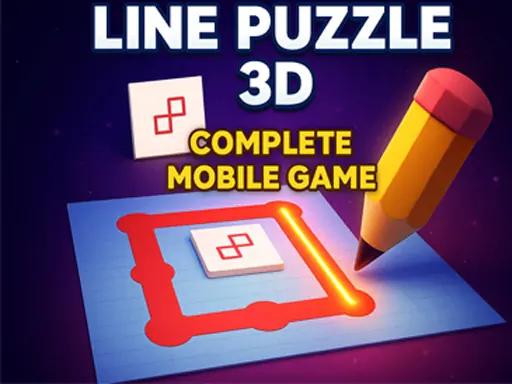 Line Puzzle 3DCut & Join02
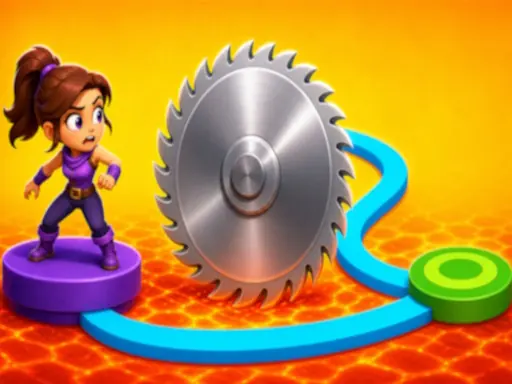 Draw Path To FinishCut & Join03
 HookedCut & Join04
 Double Boy JumpCut & Join05
 Cosmic ConnectorCut & Join06
 Maze Runner BallCut & Join07
 Ratomilton Red Light Green LightCut & Join08
 Ball ConnectCut & Join09
 Parking CrazyCut & Join10
 Girl Explorer: Jigsaw PuzzlesCut & Join11
 Animal Bus Traffic JamCut & Join12
 Sprunki Draw Save IncrediboxCut & Join13
 Bullet Army RunCut & Join14
 Makeup Match Memory BeautyCut & Join15
 Dize puzzles: 2048 Merge!Cut & Join16
 Four in a RowCut & Join17
 Tied UpCut & Join18
 cloudy cleaningCut & Join19
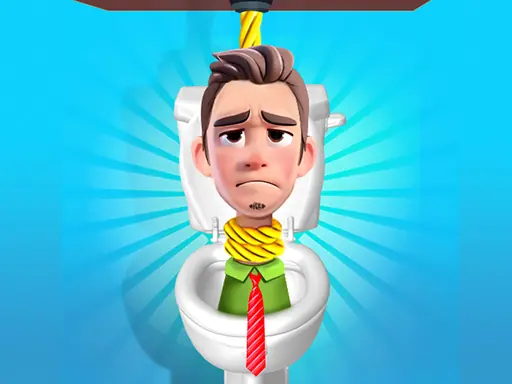 Rescue Skibd Rope Cut PuzzleCut & Join20
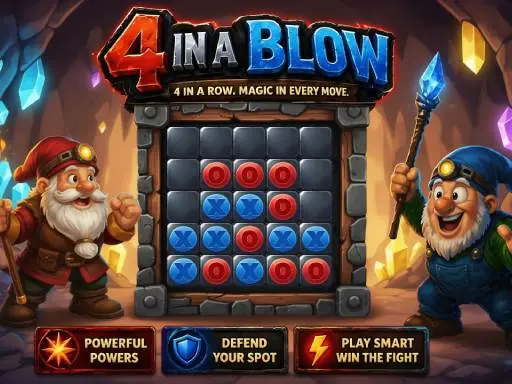 4 in a BlowCut & Join21
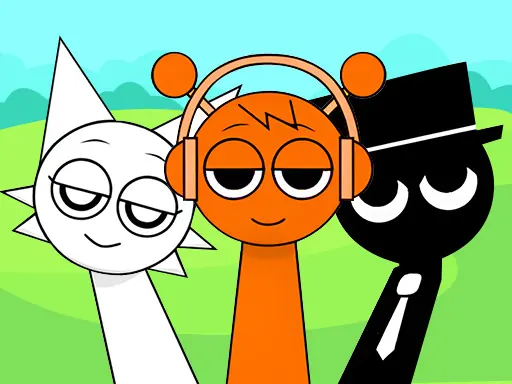 Sprunki Music Scary Beat BoxCut & Join22
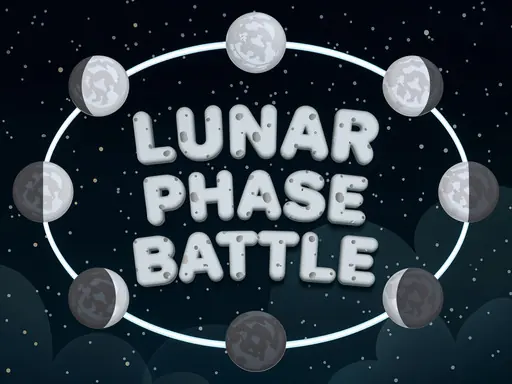 Lunar Phase BattleCut & Join23
 Trump Winter AdventureCut & Join24
 ASMR Image Match PuzzleCut & Join25
 Lines 98 Old SchoolCut & Join26
 Hopping BoyCut & Join27
 Word Connect Train BrainCut & Join28
 Cute Kitty Memory ChallengeCut & Join29
 MealMergeCut & Join30
 Cute Pony Puzzle QuestCut & Join31
 Underdogs Puzzle OdysseyCut & Join32
 Pet Salon: Cute DoctorCut & Join33
 MergeSweets: 2048!Cut & Join34
 Ocean Match CrushCut & Join35
 Mahjong Connect: SpookyCut & Join36
 Logic IslandsCut & Join37
 Sand BlastCut & Join38
 Cute Christmas Animals JigsawCut & Join39
 I Scream IceCreamCut & Join40
 Sketer Bear JumpCut & Join41
 Mummy CandyCut & Join42
 Candy Boom LinksCut & Join43
 Flappy Halloween GameCut & Join44
 Style Star MatchCut & Join45
 Idle Restaurant GameCut & Join46
 Mr Hacker The Museum HuntCut & Join
Cut & Join
This section is for boxes that move along a single line: cut a rope, join a pipe, pull a wire from one end to the other. It looks like a hand game, but what is actually tested is patience: one wrong joint in the middle sends you back to the start, and a good box signals that before it happens. Every title here can be played with the mouse alone, which makes it the first choice for a short session at a laptop. If your hand is already holding something else, leave this section for later.
How Cut & Join plays in the browser
It looks like a hand game, but what is actually tested is patience: one wrong joint in the middle sends you back to the start, and a good box signals that before it happens. Every title here can be played with the mouse alone, which makes it the first choice for a short session at a laptop. If your hand is already holding something else, leave this section for later.
All 46 games in this section run inside the tab: no install, no account, no download. Tap a title and the game opens on this same page.
- One tab, one game. Close the tab and the session is over.
- Finger controls or keyboard, depending on the title.
- Scores stay in this browser, so there is no account to maintain.
Three titles to open first
Picked from the 46 titles in this section.
- Line Puzzle 3DLine Puzzle 3D is a browser Cut & Join game you can start in one…
- Draw Path To FinishOpen Draw Path To Finish and you are already playing — no login…
- HookedHooked is one of the easier Cut & Join games to get into: click…
An older phone is enough
No download means no storage taken. Open the link, play, close it: the phone goes back to how it was, and the battery is not drained by a background process.
Cut counts against real time
Choose the size by the time you have, not by how challenging you feel today.
| Pieces | Typical time | Fits |
|---|---|---|
| 3 to 5 | 1 to 2 minutes | A break at work |
| 6 to 9 | 3 to 5 minutes | A short session after lunch |
| 10 to 14 | 7 to 10 minutes | Free time, not before bed |
| 15 and up | 15 minutes or more | A weekend, with music on |
Start from the smallest count even if it looks too easy; the goal is to finish, not to endure.
Questions players actually ask
Why does the pipe connect but nothing happens?
Because a connection needs flow, not adjacency. Two pipe ends touching is not a joint unless the open ends face each other; a rotated elbow that touches on its closed side looks connected and is not. Follow the flow from the source with your finger before assuming the join is live.
Should I connect from the source or from the target?
From the target backwards. The target has one required input, while the source may feed several branches, so working backwards keeps you on the only part of the network that must exist. Pieces that are not on that path are decoration, and there are usually more of them than you think.
Why do I run out of pieces before the path is finished?
Because you spent long pieces on short gaps. Long straight sections are the scarce resource; short elbows are plentiful. Build the corners first with elbows, then bridge the straight runs with whatever length is left, rather than using a four-cell piece to cross a two-cell gap.
What is the difference between a link puzzle and a pipe puzzle?
In a link puzzle, two nodes connect regardless of the route as long as the line does not cross another; in a pipe puzzle, the route itself is the object and every cell of it matters. Link puzzles reward avoiding crossings, pipe puzzles reward managing piece inventory. The habits do not transfer.
Why does the line refuse to cross even though the clue shows a crossing?
Because most link puzzles allow crossing only on marked bridges. An unmarked crossing is a collision, not an overpass. If the clue shows lines crossing, look for a small bridge icon at that cell; if there is none, the solution requires a route that goes around.
How do I fix a network that is 90 percent correct?
Find the one cell where the flow stops, not the section that looks messiest. A single reversed elbow near the start breaks everything downstream, which makes the whole board look wrong when only one piece is. Trace from the source until the first cell that receives nothing.
Is it better to fill the board or to leave gaps?
Leave gaps. A gap is a piece you have not spent, and an unfilled cell near the target is cheaper to fix than an unfilled cell near the source. Players who fill from the source outward run out of options exactly where the puzzle needs flexibility.
Why does the puzzle get harder when the board is bigger?
Because the number of possible routes grows much faster than the number of pieces. A small board has a handful of plausible paths; a large board has dozens, most of which share cells with each other. On a big board, commit to one route early and treat every other route as a fallback.
What do I do when two required paths both need the same cell?
One of them is not required. Re-read the goal: most levels need all targets fed, not all targets fed by the shortest route. Reroute the longer path around the shared cell - it will cost two extra pieces and it will keep both targets live.
Does rotating a piece in place ever break an existing connection?
Yes, and this is the most common self-inflicted failure in the section. Rotation changes both ends of a piece at once. Before rotating anything mid-network, check what the other end was feeding. If it was feeding something, rotate a different piece.
Player notes
My mistake was using the long pieces early. Now I build corners first and bridge the straights last, and I almost never run out.
Player note, plays pipe puzzles while waiting
One reversed elbow near the start made the entire board look wrong. I spent ten minutes rebuilding sections that were fine. Now I trace from the source until the first dead cell and fix only that.
Player note, link-puzzle player
Quoted and condensed from public player discussions; names shortened.
Common questions
- Do I need an account to play?
- No. All 46 games in this section play without registration: no email, no password, no verification step.
- How long does one session take?
- Most titles finish in three to ten minutes, which fits a break without leaving anything half-done.
- Is my score saved?
- Your best score stays in this browser as long as site data is not cleared. No account also means no sync across devices.
Further reading
- The first box: choosing without regret
- Read the map before you enter the maze
- When the clues disagree, do not guess